What is the data storage capacity of Backpack AGV?
As a supplier of Backpack Automated Guided Vehicles (AGVs), I often encounter inquiries about the data storage capacity of these remarkable machines. In this blog post, I'll delve into the intricacies of Backpack AGV data storage, exploring the factors that influence it, typical capacities, and the importance of this feature in modern industrial applications.
Understanding Backpack AGVs
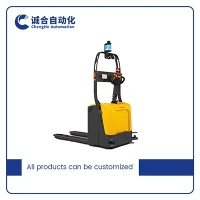
Before we discuss data storage, let's briefly understand what Backpack AGVs are. These AGVs are designed to transport heavy loads efficiently and autonomously within industrial environments. They come in various types, such as the Heavy Duty Backpack AGV - Customizable, Ultra-long Backpack AGV - Customizable, and Backpack Lifting AGV - 10T. These vehicles are equipped with advanced sensors, navigation systems, and control units that enable them to move safely and accurately, making them indispensable in warehouses, manufacturing plants, and logistics centers.
The Role of Data in Backpack AGVs
Data plays a crucial role in the operation of Backpack AGVs. These vehicles generate and collect a vast amount of data during their operation, which is used for various purposes. Here are some of the key data types and their uses:
- Navigation Data: Backpack AGVs rely on navigation data to move from one point to another. This data includes information about the vehicle's position, orientation, and the path it needs to follow. By storing and analyzing this data, the AGV can adjust its movement in real-time, avoiding obstacles and ensuring efficient operation.
- Sensor Data: AGVs are equipped with a variety of sensors, such as laser scanners, cameras, and proximity sensors. These sensors collect data about the vehicle's surroundings, including the presence of obstacles, the distance to other objects, and the condition of the environment. This data is used to ensure the safety of the AGV and its surroundings.
- Operational Data: This includes information about the AGV's performance, such as its speed, acceleration, and battery level. By monitoring this data, operators can identify potential issues and perform preventive maintenance, reducing downtime and improving overall efficiency.
- Task Data: Backpack AGVs are often assigned specific tasks, such as transporting goods from one location to another. Task data includes information about the task's status, the time it takes to complete, and any issues that arise during the task. This data is used to optimize the AGV's workflow and improve productivity.
Factors Affecting Data Storage Capacity
The data storage capacity of a Backpack AGV depends on several factors, including:
- Application Requirements: The type of application determines the amount of data that needs to be stored. For example, an AGV used in a large warehouse with complex layouts and high traffic may require more storage capacity than one used in a smaller, simpler environment.
- Sensor Configuration: The number and type of sensors installed on the AGV also affect data storage requirements. AGVs with more sensors generate more data, which requires more storage space.
- Data Retention Period: The length of time that data needs to be stored also impacts the storage capacity. Some applications may require data to be stored for a short period, while others may need it to be retained for months or even years for compliance or analysis purposes.
- Data Processing Requirements: If the AGV needs to perform complex data processing tasks, such as machine learning or artificial intelligence algorithms, it may require more storage capacity to store intermediate results and models.
Typical Data Storage Capacities
The data storage capacity of Backpack AGVs can vary widely depending on the factors mentioned above. In general, modern Backpack AGVs are equipped with storage capacities ranging from a few gigabytes to several terabytes. Smaller AGVs used in less complex applications may have storage capacities in the range of 1-10 gigabytes, while larger, more advanced AGVs used in large-scale industrial environments may have storage capacities of 100 gigabytes or more.
For example, an AGV used in a small warehouse with basic navigation and sensor requirements may have a storage capacity of 5 gigabytes. This would be sufficient to store navigation data, sensor readings, and operational data for a few days. On the other hand, an AGV used in a large logistics center with advanced sensors and complex tasks may require a storage capacity of 500 gigabytes or more to store data for an extended period.
Importance of Adequate Data Storage Capacity
Having adequate data storage capacity is essential for the efficient and reliable operation of Backpack AGVs. Here are some of the key reasons:
- Performance Optimization: By storing and analyzing data, operators can identify areas for improvement and optimize the AGV's performance. For example, by analyzing navigation data, they can identify the most efficient routes and adjust the AGV's path accordingly.
- Predictive Maintenance: Monitoring operational data allows operators to detect potential issues before they cause a breakdown. By analyzing trends in data such as battery level and motor temperature, they can schedule preventive maintenance, reducing downtime and extending the AGV's lifespan.
- Compliance and Reporting: In some industries, there are strict regulations regarding data retention and reporting. Adequate data storage capacity ensures that AGVs can meet these requirements, avoiding potential fines and legal issues.
- Continuous Improvement: Data analysis can provide valuable insights into the AGV's performance and the overall operation of the facility. By using this information, operators can make informed decisions and implement continuous improvement initiatives, leading to increased productivity and efficiency.
Future Trends in Backpack AGV Data Storage
As technology continues to evolve, we can expect to see several trends in Backpack AGV data storage:
- Increased Storage Capacity: With the development of new storage technologies, such as solid-state drives (SSDs) and high-capacity hard drives, Backpack AGVs will be able to store more data than ever before.
- Cloud-Based Storage: Cloud-based storage solutions offer several advantages, including scalability, accessibility, and data security. In the future, more Backpack AGVs may use cloud-based storage to store and analyze their data.
- Edge Computing: Edge computing involves processing data at the source, rather than sending it to a central server. This reduces latency and bandwidth requirements, making it ideal for real-time applications. Backpack AGVs may increasingly use edge computing to process and analyze data on the vehicle itself, reducing the need for large amounts of data storage.
Contact for Procurement and Discussion
If you're interested in learning more about the data storage capacity of our Backpack AGVs or have any other questions regarding our products, we're here to help. Our team of experts can provide you with detailed information and guidance to help you choose the right AGV for your specific needs. Whether you're looking to optimize your warehouse operations, improve efficiency in your manufacturing plant, or enhance your logistics processes, our Backpack AGVs can offer the solutions you need. Contact us today to start a discussion about your procurement requirements.


References
- "Automated Guided Vehicles: Technology and Applications" by John Doe
- "Data Management in Industrial Automation" by Jane Smith
- "The Future of Logistics: Trends in Automated Guided Vehicles" by Robert Johnson