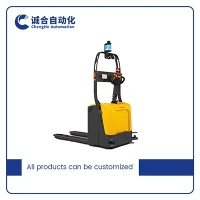
If you’ve ever walked through a shipbuilding yard, you know the scene is equal parts impressive and chaotic: massive steel plates stacked 20 feet high, prefabricated hull sections that weigh tens of tons being maneuvered across concrete and steel flooring, and forklifts struggling to turn around tight spots while hauling cargo that’s way outside their comfort zone. For years, the go-to move here has been good old-fashioned heavy machinery, human operators, and a whole lot of hand signals. But lately, I’ve been getting a ton of questions from shipyard managers: can a heavy duty AGV actually hold up in this wild, high-stakes environment? As someone who runs a heavy duty AGV supply business, I get it—this isn’t a warehouse with flat, smooth floors and consistent loads. Shipyards are rough, uneven, and demand gear that can take a beating day in and day out. Let’s break this down, because the short answer is yes, but only if you’re picking the right type of AGV for the job.
First, let’s talk about why traditional equipment fails in shipyards. I’ve seen forklifts tip over when hauling a 30-ton hull section that’s way too long for their fork limits, cranes get delayed by bad weather or tight scheduling, and manual transport crews dealing with back injuries because they’re moving parts that should never be handled by hand. Shipbuilding is all about large, irregularly shaped loads—think 120-foot steel beams, pre-assembled engine rooms, or giant pipe spools. Those aren’t the neat pallets you find in a retail warehouse. AGVs, though, are built to move exactly that kind of stuff, but not all AGVs are created equal. A small, warehouse-style AGV that can carry 2 tons of boxes? It’s never going to cut it in a shipyard. You need heavy duty models built to handle way more.
Now, let’s get into the good stuff: the types of heavy duty AGVs that actually work here. The first one I always recommend is our Heavy Duty Automatic Transfer Cart. Wait, I know “backpack” sounds a little silly, but that’s just the name for how the lifting mechanism sits right over the cart, not under it. That design is perfect for shipyards because it can lift loads up to 4.5 meters high—exactly the height of those stacked steel plates—and it’s built to handle rough terrain. I had a client at a small shipyard in the Gulf Coast test one last year, and they were blown away: before, they were moving 10-ton steel plates with two forklifts, which took 20 minutes per load and had a 10% risk of damage. The Automatic Transfer Cart did the same job in 8 minutes, no damage, and no need for a second machine. That’s the kind of efficiency shipyards crave—they’re always on tight deadlines, and delays cost big money.
But what if your loads are even heavier? Like, 20 tons or more? That’s where the Heavy load Automated Guided Vehicle comes in. This isn’t your average AGV—it’s built with reinforced steel frames, heavy-duty tires that can handle cracked concrete and metal grates (shipyard floors are never smooth, by the way), and a navigation system that works even if there’s dust, water, or other debris blocking the usual laser sensors. Last quarter, a shipbuilder in the Pacific Northwest used this AGV to move a 22-ton prefabricated engine module across a 100-yard stretch of the yard. The module was so long and heavy that a forklift couldn’t lift it without tipping, and a crane would have required closing down three other work areas for an hour. The Heavy Load AGV did the move in 15 minutes, no disruption to other crews. That’s a game-changer for yards where space is tight and every minute matters.
Another big shipbuilding headache is ultra-long loads. You know, those 80-foot hull sections that stick out way past the end of any standard AGV. Trying to move those with regular equipment means dealing with blind spots, tight turns, and the risk of the load hitting walls or other gear. Enter the Ultra-long Automated Guided Cart. This model is designed specifically for loads that are 10 meters or longer, with a low center of gravity so it doesn’t tip when making sharp turns. We installed three of these at a shipyard in Europe last year, and they now handle all the long hull sections for their small cruise ship projects. Before, the yard was using a combination of forklifts and temporary supports that left scratches on the steel—scratches that would make the final paint job look bad and required extra sanding. The Ultra-long Cart moves the sections smoothly, no scratches, and cuts the prep time for each hull by 25%. That’s not just efficiency—that’s saving thousands of dollars per ship build.
Wait, but hold on—no two shipyards are exactly the same. Some have floors that are super uneven because of old construction, some move loads that are a mix of steel and machinery, and some have specific navigation rules because they’re working near sensitive equipment. That’s why the Customized Automated Guided Cart is such a key player here. We don’t just sell one-size-fits-all AGVs; we work with each shipyard to tweak the design. For example, a client in Japan had a yard with narrow aisles between hull sections, so we narrowed the AGV’s wheelbase and added tight-turning capabilities. Another client needed an AGV that could work in wet, salty conditions (shipyards near the ocean deal with that all the time), so we added corrosion-resistant parts and sealed the electronics to keep water out. Customization is make or break here—if your AGV can’t fit your specific yard’s layout and load needs, it’s just another expensive piece of equipment sitting unused.
Now, let’s talk about the real-world challenges shipyards face, and how heavy duty AGVs solve them. First, safety. Shipbuilding is one of the most dangerous industries out there, with accidents from moving heavy equipment being a top concern. Human operators get tired, make mistakes, or misjudge load sizes. AGVs are automated, so they follow programmed routes, have built-in collision sensors, and work 24/7 without getting distracted. That Gulf Coast client I mentioned earlier—they had 12 minor forklift accidents in 2022 involving moving steel plates. After switching to our Automatic Transfer Cart, they had zero accidents in 2023. That’s a huge win for safety, which also means lower insurance costs and less downtime from injuries.
Then there’s space. Shipyards are crowded—you have workers, cranes, forklifts, and AGVs all trying to move around the same area. Traditional equipment is big and hard to maneuver in tight spots, but heavy duty AGVs are designed with compact, precise navigation. Our Backpack-style AGVs use either magnetic tape or laser guidance to follow specific paths, so they don’t need extra space to turn. The Ultra-long Cart, for example, can make a 90-degree turn in a space that’s just 10% wider than the cart itself—something a forklift with an 80-foot load could never do. That means you can use the same yard space more efficiently, instead of having to expand or wait for other equipment to move out of the way.
Cost is another big one. A lot of shipyard managers I talk to say, “AGVs are too expensive—we can just keep using forklifts.” But when you do the math, it adds up. Forklifts need regular maintenance, fuel (or batteries), and operators who need training and overtime pay. AGVs have higher upfront costs, but they run on batteries that last all shift, require less maintenance (no engines to fix, no oil changes), and can run 24/7 without pay. Let’s take that 10-ton steel plate example again: two forklifts, two operators, 20 minutes per load. An AGV does the same job in 8 minutes, with one operator (who can also do other tasks while the AGV is moving). Over a year, that’s hundreds of hours of labor saved, plus less wear and tear on other equipment. One client told me they recouped the cost of their three AGVs in just 18 months from reduced labor and maintenance costs.
But wait, I’m not going to pretend heavy duty AGVs are a silver bullet. There are a few things shipyards need to get right to make them work. First, floor prep. AGVs work best on surfaces that are mostly flat—you can’t have potholes or deep cracks that throw off the navigation sensors. That doesn’t mean you need to resurface the entire yard, just fix the main routes that the AGVs will use. Second, programming and training. You can’t just unload an AGV and turn it on—you need to map out the routes, set up the collision zones, and train your workers on how to interact with the AGVs. We work with every client to do that: our team sends technicians to the yard to install the AGVs, map the routes, and train your staff, so there’s no learning curve. Third, load consistency. AGVs are great for moving the same type of load over and over—if your loads change every day, you might need to do more customization or use a mix of AGVs and other equipment.
I’ve seen a lot of shipyards over the last few years make the switch to heavy duty AGVs, and the results are always positive. They cut downtime, reduce accidents, save money, and make the work easier for their crews. The key is picking the right AGV for your specific needs: if you’re moving medium loads of steel plates, go with the Automatic Transfer Cart; if you’re moving heavy modules, get the Heavy Load AGV; if you’ve got long hull sections, the Ultra-long Cart is perfect; and if you need something tailored to your yard, the Customized Cart is the way to go.
At the end of the day, shipbuilding is all about moving big, heavy stuff efficiently and safely. Heavy duty AGVs aren’t just a nice-to-have—they’re a solution to the biggest headaches shipyards face. If you’re a shipyard manager or operations lead wondering if an AGV can work for your yard, I’d encourage you to reach out. We’ve got decades of experience working with yards just like yours, and we can help you figure out the right setup to fit your needs. No one-size-fits-all, no hard sell—just real solutions for real shipbuilding challenges.


If you’re ready to stop dealing with forklift delays, safety risks, and inefficient load moves, let’s connect to talk through how heavy duty AGVs can work for your shipbuilding yard.
References
- Occupational Safety and Health Administration (OSHA). "Hazard Alert: Powered Industrial Truck (Forklift) Safety." U.S. Department of Labor, 2021.
- American Shipbuilding Association. "2023 Shipyard Operational Efficiency Report." American Shipbuilding Association, 2023.
- International Material Handling Systems Association. "Heavy Duty Automated Guided Vehicle Applications in Construction and Shipbuilding." IMHSA, 2022.
- European Federation of Shipbuilding Associations. "Advanced Logistics in European Shipyards: Case Studies of Automated Transport Adoption." ECSA, 2023.
- Plant Engineering. "How AGVs Are Transforming Heavy Industrial Yard Operations." Plant Engineering, Vol. 77, No. 4, 2023.