In the era of rapid technological advancement, smart logistics systems have emerged as a game - changer in the logistics and supply chain industry. As a supplier of smart logistics systems, I understand the importance of well - trained employees in ensuring the successful implementation and operation of these complex systems. This blog post will explore the employee training requirements for a smart logistics system, covering various aspects from system understanding to practical operation.
Understanding the Smart Logistics Ecosystem
Before delving into specific training areas, employees need to have a comprehensive understanding of the smart logistics ecosystem. A smart logistics system integrates multiple subsystems and technologies to optimize the flow of goods, information, and resources. For instance, the Warehouse Management System is a crucial component that manages inventory, storage, and order fulfillment. Employees should be trained to understand how this system interacts with other parts of the logistics chain, such as transportation and production.
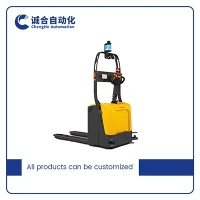
The AGV Control System is another significant part. Automated Guided Vehicles (AGVs) are used for material handling within warehouses and factories. Training employees on this system involves teaching them about AGV operation principles, safety protocols, and how to troubleshoot common issues. They need to know how to program AGVs for different tasks, monitor their performance, and ensure their smooth integration with other logistics processes.
The Manufacturing Execution System also plays a vital role in smart logistics. It connects the shop floor operations with the overall logistics and supply chain management. Employees should be trained to understand how MES coordinates production orders, manages work - in - progress, and synchronizes with inventory and transportation systems.
Technical Skills Training
Software Proficiency
Smart logistics systems rely heavily on software applications. Employees need to be proficient in using the software associated with the various subsystems. For the Warehouse Management System, they should be able to navigate the user interface, perform inventory management tasks such as stock counting, picking, and replenishment. They also need to understand how to generate reports and analyze data related to warehouse operations.
In the case of the AGV Control System, software training includes learning how to use the AGV control software for vehicle scheduling, path planning, and real - time monitoring. Employees should be able to interpret the data provided by the software, such as vehicle status, battery levels, and task completion rates.
For the Manufacturing Execution System, software training focuses on order management, production scheduling, and quality control functions. Employees need to be able to input production data accurately, track the progress of manufacturing orders, and use the system to identify and resolve production bottlenecks.
Hardware Knowledge
In addition to software, employees also need to have a basic understanding of the hardware components of the smart logistics system. This includes knowledge of AGVs, conveyor systems, barcode scanners, and sensors. They should know how to perform routine maintenance tasks on the hardware, such as cleaning, checking for physical damage, and replacing worn - out parts.
For example, when it comes to AGVs, employees should understand the mechanical structure, electrical systems, and the principle of operation. They need to know how to safely start and stop the AGVs, and what to do in case of a hardware malfunction. Similarly, for barcode scanners and sensors, they should be trained to calibrate them correctly and troubleshoot common issues like inaccurate readings.
Safety Training
Safety is of utmost importance in a smart logistics system. Employees need to be trained on safety procedures related to both the hardware and software components. For AGVs, safety training includes teaching employees about the right - of - way rules, how to avoid collisions, and what to do in case of an emergency stop. They should also be aware of the safety features of the AGVs, such as obstacle detection sensors and emergency braking systems.
In the warehouse environment, safety training covers topics such as proper handling of heavy equipment, working at heights, and fire safety. Employees should know how to use personal protective equipment (PPE) correctly, and how to follow safety protocols when operating machinery or handling hazardous materials.
When it comes to software - related safety, employees need to be trained on data security. They should understand the importance of protecting sensitive information, such as customer data, inventory levels, and production schedules. This includes following password management policies, avoiding phishing attacks, and ensuring the integrity of the system data.


Problem - Solving and Troubleshooting Training
Despite the best - laid plans, issues can arise in a smart logistics system. Employees need to be trained to identify, analyze, and solve problems quickly. For software - related problems, they should be able to use diagnostic tools provided by the system to identify the root cause of the issue. For example, if there is an error in the Warehouse Management System, they should know how to check the system logs, identify error codes, and take appropriate corrective actions.
In the case of hardware problems, employees should be trained to perform basic troubleshooting steps. For AGVs, if a vehicle is not moving correctly, they should be able to check the battery, sensors, and mechanical components to determine the cause of the problem. They should also know when to escalate the issue to a more experienced technician.
Teamwork and Communication Training
A smart logistics system involves multiple teams and departments working together. Employees need to be trained in teamwork and communication skills. They should be able to communicate effectively with colleagues from different departments, such as sales, production, and transportation. For example, in a situation where there is a change in a customer order, employees in the Warehouse Management System team need to communicate this information to the production and transportation teams in a timely manner.
Teamwork training can include activities such as group projects, where employees learn to work together towards a common goal. They need to understand the roles and responsibilities of each team member, and how to collaborate effectively to ensure the smooth operation of the smart logistics system.
Continuous Learning and Adaptability Training
The field of smart logistics is constantly evolving. New technologies, algorithms, and best practices are emerging all the time. Employees need to be trained to have a mindset of continuous learning and adaptability. This can be achieved through regular training sessions, workshops, and access to industry resources.
We, as a smart logistics system supplier, can provide employees with opportunities to learn about the latest trends in the industry, such as the use of artificial intelligence and machine learning in logistics. Employees should be encouraged to take online courses, attend conferences, and participate in professional development programs. This will help them stay updated with the latest knowledge and skills, and be able to adapt to changes in the smart logistics system.
Conclusion
In conclusion, the employee training requirements for a smart logistics system are multi - faceted. From understanding the ecosystem and mastering technical skills to ensuring safety, problem - solving, teamwork, and continuous learning, well - trained employees are the key to the success of a smart logistics system. As a supplier, we are committed to providing comprehensive training programs to our customers' employees to ensure that they can make the most of our smart logistics solutions.
If you are interested in our smart logistics systems and would like to discuss how we can train your employees to operate them effectively, please feel free to reach out to us for a procurement negotiation. We look forward to working with you to optimize your logistics and supply chain operations.
References
- Christopher, M. (2016). Logistics & Supply Chain Management. Pearson.
- Simchi - Levi, D., Kaminsky, P., & Simchi - Levi, E. (2008). Designing and Managing the Supply Chain: Concepts, Strategies, and Case Studies. McGraw - Hill.
- Wisner, J. D., Tan, K. C., & Leong, G. K. (2012). Principles of Supply Chain Management: A Balanced Approach. Cengage Learning.