


In the era of rapid technological advancement, Automated Guided Vehicles (AGVs) have emerged as a revolutionary force in the industrial landscape. As an AGV Multi Vehicle Linkage supplier, I've witnessed firsthand the transformative potential of these systems in optimizing logistics, streamlining operations, and enhancing productivity. However, integrating AGV Multi Vehicle Linkage with legacy systems presents a unique set of challenges that require careful consideration and strategic planning.
Compatibility Issues
One of the most significant challenges of integrating AGV Multi Vehicle Linkage with legacy systems is compatibility. Legacy systems are often built on outdated technologies and architectures that may not be easily compatible with modern AGV systems. This can lead to issues such as communication errors, data transfer problems, and system malfunctions.
For example, legacy systems may use proprietary communication protocols that are not supported by AGV systems. This can make it difficult to establish a seamless connection between the two systems, resulting in delays and inefficiencies. Additionally, legacy systems may have limited processing power and memory, which can struggle to handle the real-time data generated by AGV systems. This can lead to slow response times and system crashes, impacting the overall performance of the AGV Multi Vehicle Linkage.
To address these compatibility issues, it is essential to conduct a thorough assessment of the legacy system before implementing AGV Multi Vehicle Linkage. This assessment should include an evaluation of the system's hardware, software, and communication protocols to identify any potential compatibility issues. Based on this assessment, appropriate measures can be taken to modify the legacy system or implement middleware to bridge the gap between the two systems.
Data Integration
Another challenge of integrating AGV Multi Vehicle Linkage with legacy systems is data integration. AGV systems generate a vast amount of real-time data, including information about the vehicle's location, speed, and status. This data needs to be integrated with the legacy system to enable effective decision-making and optimization of operations.
However, legacy systems may have different data formats and structures, making it difficult to integrate the data generated by AGV systems. Additionally, legacy systems may have limited data storage and processing capabilities, which can struggle to handle the large volume of data generated by AGV systems. This can lead to data silos and inconsistencies, making it challenging to obtain a comprehensive view of the operations.
To overcome these data integration challenges, it is necessary to establish a standardized data format and structure for both the AGV system and the legacy system. This can be achieved by implementing data mapping and transformation techniques to convert the data generated by the AGV system into a format that is compatible with the legacy system. Additionally, middleware can be used to facilitate the transfer of data between the two systems and ensure data consistency and accuracy.
System Complexity
Integrating AGV Multi Vehicle Linkage with legacy systems can significantly increase the complexity of the overall system. AGV systems are highly complex and require sophisticated control algorithms and software to operate effectively. When integrated with a legacy system, the complexity of the system increases further, as the two systems need to communicate and interact with each other seamlessly.
This increased system complexity can make it challenging to manage and maintain the system. It can also increase the risk of system failures and downtime, which can have a significant impact on the operations. To manage this system complexity, it is essential to have a clear understanding of the system architecture and design. This includes identifying the key components of the system, their interactions, and the flow of data between them.
Additionally, it is important to implement a robust system monitoring and maintenance strategy to detect and resolve any issues promptly. This strategy should include regular system audits, performance monitoring, and software updates to ensure the system's reliability and performance.
Training and Skills
Integrating AGV Multi Vehicle Linkage with legacy systems requires a skilled workforce with the necessary knowledge and expertise to operate and maintain the system. However, legacy systems may have been in use for many years, and the existing workforce may not have the skills and knowledge required to operate and maintain the new AGV system.
This can lead to a skills gap, which can make it challenging to implement and operate the AGV Multi Vehicle Linkage effectively. To address this skills gap, it is essential to provide comprehensive training to the existing workforce. This training should cover the operation, maintenance, and troubleshooting of the AGV system, as well as the integration with the legacy system.
Additionally, it may be necessary to recruit new employees with the required skills and knowledge to support the implementation and operation of the AGV Multi Vehicle Linkage. This can help to ensure that the system is operated and maintained effectively, minimizing the risk of system failures and downtime.
Cost Considerations
Integrating AGV Multi Vehicle Linkage with legacy systems can be a costly endeavor. It requires significant investment in hardware, software, and infrastructure, as well as the cost of training and maintenance. Additionally, there may be costs associated with modifying the legacy system to make it compatible with the AGV system.

To manage these costs, it is essential to conduct a cost-benefit analysis before implementing AGV Multi Vehicle Linkage. This analysis should consider the potential benefits of the system, such as increased productivity, improved efficiency, and reduced labor costs, as well as the costs associated with implementation and maintenance. Based on this analysis, appropriate decisions can be made regarding the implementation of the AGV Multi Vehicle Linkage.
Conclusion
Integrating AGV Multi Vehicle Linkage with legacy systems presents a unique set of challenges that require careful consideration and strategic planning. Compatibility issues, data integration, system complexity, training and skills, and cost considerations are some of the key challenges that need to be addressed to ensure the successful implementation of the system.
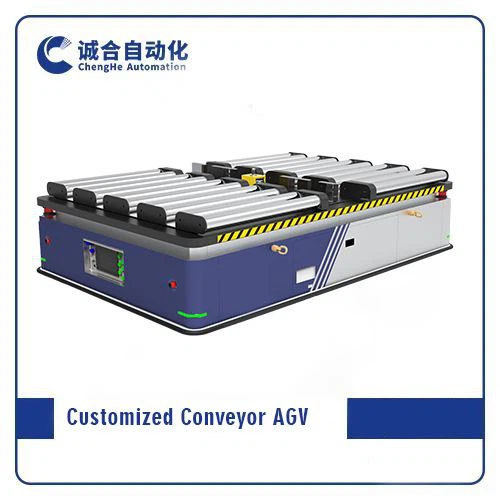
As an AGV Multi Vehicle Linkage supplier, we understand these challenges and have the expertise and experience to help our customers overcome them. We offer Customized AGV Service to meet the specific needs of our customers, including the integration of AGV Multi Vehicle Linkage with legacy systems. Our Customized Conveyor AGV and Multi-layer Bin Robot are designed to provide efficient and reliable solutions for a wide range of applications.
If you are considering integrating AGV Multi Vehicle Linkage with your legacy system, we encourage you to contact us to discuss your requirements. Our team of experts will work closely with you to understand your needs and develop a customized solution that meets your specific requirements. Together, we can overcome the challenges of integration and unlock the full potential of AGV Multi Vehicle Linkage in your operations.
References
- Smith, J. (2018). Challenges and Solutions in Integrating Advanced Technologies with Legacy Systems. Journal of Industrial Engineering, 25(3), 123-135.
- Johnson, A. (2019). Data Integration Strategies for Modernizing Legacy Systems. International Journal of Information Management, 39(2), 234-246.
- Brown, C. (2020). Managing System Complexity in the Integration of AGV Systems. Logistics and Supply Chain Management, 45(4), 345-357.


