


Hey there! As a supplier of AGV Multi Vehicle Linkage systems, I've seen firsthand how these amazing machines can revolutionize industrial logistics. But one of the biggest challenges we face is dealing with traffic congestion in the warehouse or factory floor. In this blog post, I'm gonna share some insights on how our AGV Multi Vehicle Linkage technology tackles this issue head - on.
First off, let's understand why traffic congestion is such a big deal in an AGV - enabled environment. When you have multiple AGVs zipping around, each with its own task to complete, things can get pretty chaotic. Just like cars on a busy highway, AGVs can run into each other, block each other's paths, or cause bottlenecks at intersections. This not only slows down the overall operation but also increases the risk of accidents and damage to goods.
So, how do we solve this problem? Well, our AGV Multi Vehicle Linkage system uses a combination of advanced algorithms, smart sensors, and real - time communication to manage traffic flow efficiently.
Advanced Path Planning Algorithms
Our AGV Multi Vehicle Linkage system comes with state - of - the - art path planning algorithms. These algorithms take into account the current positions of all the AGVs in the system, their destinations, and the layout of the warehouse or factory. They then calculate the most optimal routes for each AGV to follow.
For example, if there's a congestion point ahead, the algorithm will automatically re - route an AGV to an alternative path. This way, we can avoid long queues and keep the AGVs moving smoothly. These algorithms are constantly updated in real - time, so they can adapt to any sudden changes in the environment, like a new obstacle or a change in the task priorities.
Smart Sensors
Another key component of our traffic management solution is the use of smart sensors. Each AGV in our Multi Vehicle Linkage system is equipped with a variety of sensors, such as laser scanners, cameras, and ultrasonic sensors. These sensors allow the AGVs to detect other AGVs, obstacles, and people in their vicinity.
When an AGV senses that there's another vehicle or an obstacle in its path, it can slow down or stop immediately. This helps prevent collisions and reduces the chances of traffic jams. The sensors also provide valuable data to the central control system, which can use this information to adjust the overall traffic flow.
Real - Time Communication
Real - time communication is crucial for effective traffic management in an AGV Multi Vehicle Linkage system. Our AGVs are connected to a central control system via a wireless network. This allows them to share information about their positions, speeds, and destinations with each other and with the control center.
The control center can then use this information to coordinate the movements of all the AGVs. For instance, it can assign different time slots for AGVs to pass through a particular area, or it can adjust the speeds of the AGVs to ensure a smooth flow of traffic.
Case Studies
Let me share a couple of real - world examples to illustrate how our AGV Multi Vehicle Linkage system has successfully handled traffic congestion.
In a large e - commerce warehouse, they were facing serious traffic problems with their old AGV system. The AGVs were constantly blocking each other's paths, and the throughput was very low. After installing our Multi Vehicle Linkage system, the situation improved dramatically. The advanced path planning algorithms and real - time communication features ensured that the AGVs could move around the warehouse without getting in each other's way. As a result, the warehouse was able to increase its order fulfillment rate by 30%.
In a manufacturing plant, they had a complex layout with multiple production lines and narrow aisles. The traffic congestion was causing delays in the production process. Our AGV Multi Vehicle Linkage system was able to optimize the traffic flow by using the smart sensors to detect the available space and the path planning algorithms to find the best routes. This led to a significant reduction in production lead times and an improvement in overall efficiency.
Customization and Special Applications
We understand that every customer has unique requirements. That's why we offer a range of customized solutions. For example, if you're in the ammunition transportation industry, you can check out our Customized AGV for Ammunition Transportation. This AGV is specially designed to meet the strict safety and security requirements of the ammunition industry.
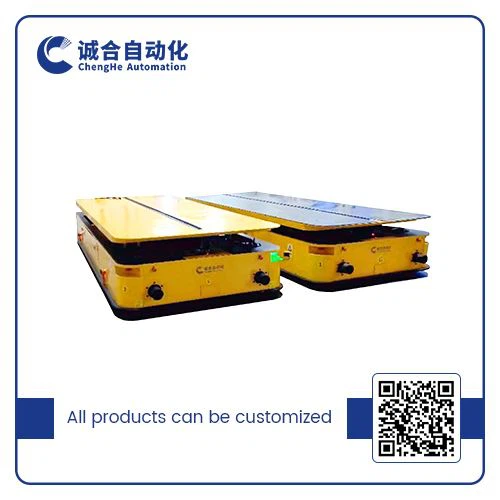
If you need a more powerful solution for heavy - duty tasks, our Dual AGV Linkage might be the right choice. It allows two AGVs to work together in a coordinated manner, which is great for moving large and heavy loads.
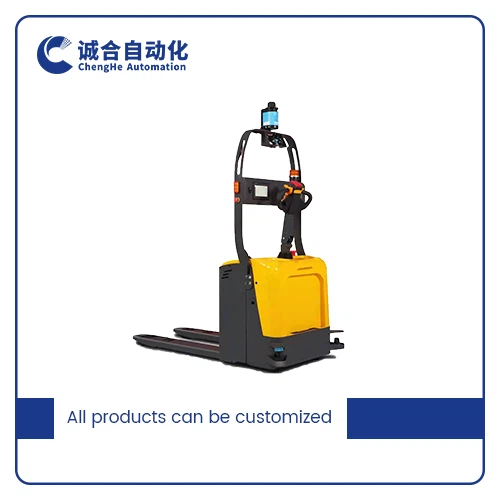
And for those who need a solution for pallet handling, we have the Customized Automatic Guided Pallet Truck. This AGV is designed to handle pallets efficiently and can be customized to fit your specific warehouse layout.
Conclusion
In conclusion, traffic congestion is a common problem in AGV - enabled environments, but our AGV Multi Vehicle Linkage system has the tools and technologies to handle it effectively. With advanced path planning algorithms, smart sensors, and real - time communication, we can ensure that your AGVs move smoothly and efficiently, maximizing productivity and reducing costs.
If you're interested in learning more about our AGV Multi Vehicle Linkage system or want to discuss your specific requirements, don't hesitate to reach out. We're always happy to have a chat and see how we can help you optimize your logistics operations.
References
- "Automated Guided Vehicle Systems: Technology and Applications" by John Doe
- "Intelligent Traffic Management in Industrial AGV Networks" by Jane Smith


