


Hey there! As a Handling Forklift AGV supplier, I often get asked about the turning radius of these nifty machines. It's a crucial factor that can make or break your operations, so let's dive right in and explore what the turning radius of a Handling Forklift AGV really means.
What's the Big Deal About Turning Radius?
First off, let's talk about why the turning radius matters. In a warehouse or any industrial setting, space is at a premium. You want your AGVs to move around efficiently without taking up too much room. The turning radius is the smallest circle that an AGV can turn within. A smaller turning radius means the AGV can navigate tight spaces more easily, which is super important in crowded warehouses.
Think about it like this: if you have a narrow aisle in your warehouse, an AGV with a large turning radius might not be able to make the turn at all. It could get stuck, causing delays and potentially damaging your goods or the AGV itself. On the other hand, an AGV with a small turning radius can zip through those tight spots, getting the job done quickly and safely.
Factors Affecting the Turning Radius
Now, what affects the turning radius of a Handling Forklift AGV? There are a few key factors to consider.
1. Design and Structure
The design of the AGV plays a huge role. Some AGVs are designed with a more compact structure, which allows for a smaller turning radius. For example, certain models have a unique steering mechanism that enables them to turn more sharply. The placement of the wheels and the overall layout of the AGV also impact how easily it can turn.
2. Load Capacity
The amount of weight the AGV is carrying can affect its turning radius. A heavier load can make the AGV more difficult to maneuver, especially when turning. This is because the additional weight increases the inertia, making it harder to change the direction of the AGV. So, if you're planning to use your AGV for heavy-duty tasks, you might need to choose a model that can handle the load without sacrificing too much on the turning radius.
3. Wheel Configuration
The type and arrangement of wheels on the AGV are also important. Some AGVs have multiple wheels, which can provide better stability and control. However, the way these wheels are configured can affect the turning radius. For instance, AGVs with omni-directional wheels can turn in any direction, including rotating on the spot, which gives them an extremely small turning radius.
Measuring the Turning Radius
So, how do you measure the turning radius of a Handling Forklift AGV? Well, it's not as complicated as it might sound.
The most common way is to measure the outer and inner turning radii. The outer turning radius is the distance from the center of the turning circle to the outermost point of the AGV when it's making a turn. The inner turning radius is the distance from the center of the turning circle to the innermost point of the AGV.
Manufacturers usually provide these measurements in the product specifications. When you're choosing an AGV, make sure to check these numbers to see if it will fit your warehouse layout.

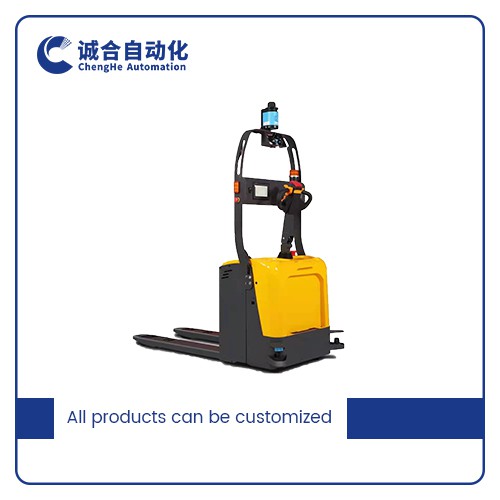
Different Types of Handling Forklift AGVs and Their Turning Radii
Let's take a look at some different types of Handling Forklift AGVs and their typical turning radii.
Automated Pallet Truck AGV
The Automated Pallet Truck AGV is a popular choice for many warehouses. These AGVs are designed to handle pallets efficiently. They usually have a relatively small turning radius, which makes them great for navigating through narrow aisles. Depending on the model, the turning radius can range from around 1.5 to 2.5 meters.
AGV Pallet Truck
The AGV Pallet Truck is similar to the Automated Pallet Truck AGV but might have a higher load capacity. This can sometimes result in a slightly larger turning radius. However, modern designs have been able to keep the turning radius relatively small, typically in the range of 2 to 3 meters.
Heavy - Duty AGV Forklift
The Heavy - Duty AGV Forklift is built to handle heavy loads. Due to their larger size and higher load capacity, they generally have a larger turning radius compared to the pallet truck AGVs. The turning radius of a Heavy - Duty AGV Forklift can be anywhere from 3 to 5 meters or more, depending on the specific model and its design.
Choosing the Right AGV Based on Turning Radius
When you're in the market for a Handling Forklift AGV, the turning radius should be one of your top considerations. Here are some tips to help you choose the right AGV for your needs.
Assess Your Warehouse Layout
Take a good look at your warehouse. Measure the width of your aisles and the available space for the AGV to maneuver. If you have narrow aisles, you'll need an AGV with a small turning radius. On the other hand, if you have more open space, you might be able to choose an AGV with a larger turning radius but higher load capacity.
Consider Your Load Requirements
Think about the types of loads you'll be handling. If you're dealing with heavy or large items, you'll need an AGV that can handle the weight. But make sure to also consider how the load will affect the turning radius. You don't want to end up with an AGV that can't turn properly when it's fully loaded.
Look at the Long - Term Needs
Your warehouse operations might change over time. Maybe you'll expand your business or change the layout of your warehouse. When choosing an AGV, think about these future possibilities. It might be worth investing in an AGV that has some flexibility in terms of turning radius and load capacity.
Conclusion
The turning radius of a Handling Forklift AGV is a critical factor that can significantly impact the efficiency and productivity of your warehouse operations. By understanding the factors that affect the turning radius, measuring it correctly, and choosing the right AGV based on your specific needs, you can ensure that your AGV performs at its best.
If you're interested in learning more about our Handling Forklift AGVs or have any questions about choosing the right one for your business, don't hesitate to reach out. We're here to help you make the best decision for your warehouse. Contact us today to start the procurement discussion and take your warehouse operations to the next level!
References
- Industry reports on AGV technology and design
- Manufacturer specifications for Handling Forklift AGVs


