Hey there! As a supplier of Backpack Lifting AGVs, I often get asked about the network connectivity of these nifty machines. So, I thought I'd sit down and write a blog post to share some insights on this topic.
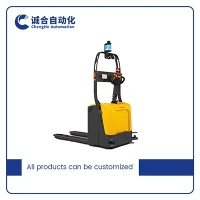
Let's start by understanding what a Backpack Lifting AGV is. In simple terms, it's an Automated Guided Vehicle (AGV) designed with a unique backpack - style lifting mechanism. These AGVs are super handy for moving heavy loads around warehouses, factories, and other industrial settings. We've got different models like the Extra Long Backpack AGV, Explosion - proof Extra - long Automated Guided Cart, and Backpack Lifting AGV - 10T, each with its own set of features and capabilities.
Now, onto the network connectivity. Network connectivity is crucial for the proper functioning of Backpack Lifting AGVs. It allows these machines to communicate with other devices, systems, and even human operators in real - time. There are a few different types of network connectivity options that our AGVs support, and I'll break them down for you.
Wi - Fi Connectivity
Wi - Fi is one of the most common ways to connect our Backpack Lifting AGVs to the network. It offers a good balance between range and speed. With Wi - Fi, the AGV can communicate with a central control system located within the facility. This central system can send commands to the AGV, such as where to go, what to pick up, and where to drop off the load.
The advantage of Wi - Fi is that it's relatively easy to set up. Most industrial facilities already have a Wi - Fi network in place, so integrating the AGV into the existing network is a breeze. However, Wi - Fi can be affected by interference from other devices, such as microwave ovens or other wireless routers. In large facilities, there might also be areas with weak Wi - Fi signals, which could cause communication issues for the AGV.
Ethernet Connectivity
Ethernet is another option for network connectivity. It provides a more stable and reliable connection compared to Wi - Fi. With an Ethernet cable, the AGV can be directly connected to a local network switch. This ensures a high - speed and low - latency connection, which is great for real - time data transfer.
The downside of Ethernet is that it's less flexible than Wi - Fi. The AGV needs to be physically connected to the network using a cable, which limits its movement. This is usually not a problem in fixed - path applications, where the AGV moves along a pre - defined route and can be connected to the network at specific points. But for more dynamic applications, where the AGV needs to move freely around the facility, Ethernet might not be the best choice.
Bluetooth Connectivity
Bluetooth is a short - range wireless communication technology that can also be used for network connectivity. It's mainly used for communication between the AGV and nearby devices, such as handheld controllers or sensors. For example, an operator can use a Bluetooth - enabled handheld device to send commands to the AGV or to monitor its status.
Bluetooth has a limited range, usually up to a few meters. But it's energy - efficient and easy to set up. It's a great option for applications where the AGV needs to interact with devices in close proximity. However, like Wi - Fi, Bluetooth can also be affected by interference, and the range might not be sufficient for large - scale operations.
Cellular Connectivity
In some cases, cellular connectivity can be used for Backpack Lifting AGVs. This is especially useful for outdoor applications or for facilities that are located in remote areas. With a cellular modem installed on the AGV, it can connect to the internet using a mobile network.
Cellular connectivity offers a wide range of coverage, but it can be more expensive than other options. There are also issues with network reliability, especially in areas with poor cellular reception. And, of course, there are data usage costs associated with cellular connectivity.
How Network Connectivity Impacts AGV Performance
The type of network connectivity used can have a significant impact on the performance of the Backpack Lifting AGV. A stable and reliable network connection ensures that the AGV can receive commands in a timely manner and can send back real - time data about its status, such as its location, battery level, and the status of the load it's carrying.


If the network connection is weak or unreliable, the AGV might experience delays in receiving commands, which could lead to inefficiencies in the operation. For example, if the AGV is waiting for a command to move to the next location and the command is delayed due to a poor network connection, it will just sit there idle, wasting time and energy.
In addition, real - time data transfer is crucial for safety. The AGV needs to be able to communicate any potential issues, such as a malfunction or an obstacle in its path, to the central control system. A reliable network connection ensures that this information can be transmitted quickly, allowing the operators to take appropriate action.
Ensuring Network Connectivity in Your Facility
As a supplier, we work closely with our customers to ensure that the network connectivity in their facilities is suitable for the Backpack Lifting AGVs. We start by conducting a site survey to assess the existing network infrastructure. This includes checking the strength and coverage of Wi - Fi signals, the availability of Ethernet ports, and the cellular reception in the area.
Based on the results of the site survey, we recommend the best network connectivity option for the customer's specific application. If necessary, we can also help with the installation and configuration of the network equipment, such as routers, switches, and cellular modems.
We also provide ongoing support to ensure that the network connectivity remains stable. Our technical team can monitor the network performance, troubleshoot any issues that arise, and make adjustments as needed.
The Future of Network Connectivity for Backpack Lifting AGVs
The field of network connectivity is constantly evolving, and there are some exciting developments on the horizon for Backpack Lifting AGVs. One of the trends is the use of 5G technology. 5G offers much higher speeds, lower latency, and a greater capacity for connected devices compared to previous generations of cellular networks.
With 5G, the AGV could have even more reliable and high - speed communication with the central control system. This would enable more advanced applications, such as real - time video streaming from cameras installed on the AGV, which could be used for better monitoring and safety.
Another trend is the integration of the Internet of Things (IoT). With IoT, the AGV can be connected to a wider network of devices and sensors, allowing for more intelligent and automated operations. For example, the AGV could communicate with other AGVs in the facility to coordinate their movements and avoid collisions.
Conclusion
Network connectivity is a critical aspect of Backpack Lifting AGVs. It allows these machines to communicate with other devices and systems, ensuring efficient and safe operation. There are several options available, including Wi - Fi, Ethernet, Bluetooth, and cellular connectivity, each with its own advantages and disadvantages.
As a supplier, we're committed to providing our customers with the best network connectivity solutions for their specific applications. We work closely with them to assess their needs, recommend the right technology, and provide ongoing support.
If you're interested in learning more about our Backpack Lifting AGVs and the network connectivity options available, or if you're thinking about purchasing an AGV for your facility, don't hesitate to get in touch. We'd love to have a chat with you and discuss how our products can meet your requirements. Let's work together to make your operations more efficient and productive!
References
- "Automated Guided Vehicle Systems: Technology and Applications" by John Smith
- "Wireless Communication Technologies for Industrial Automation" by Jane Doe
- "Cellular Connectivity in Industrial Internet of Things" by Mark Johnson