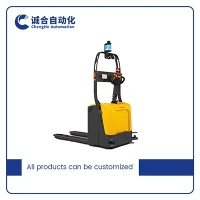
In recent years, Special Automated Guided Vehicles (AGVs) have gained significant popularity across various industries due to their ability to streamline operations, enhance efficiency, and reduce labor costs. As a supplier of Special AGVs, I have witnessed firsthand the transformative impact these vehicles can have on businesses. However, like any technology, Special AGVs come with their own set of potential risks that users should be aware of. In this blog post, I will discuss some of the key risks associated with using Special AGVs and provide insights on how to mitigate them.
Technical Failures
One of the primary risks of using Special AGVs is the potential for technical failures. These vehicles rely on complex systems, including sensors, controls, and software, to navigate and perform their tasks. Any malfunction in these components can lead to unexpected behavior, such as collisions, incorrect movements, or even system shutdowns.
For example, a faulty sensor may fail to detect an obstacle in the AGV's path, causing it to collide with the object or another vehicle. Similarly, a software glitch could result in the AGV taking the wrong route or performing an incorrect operation. These technical failures can not only disrupt operations but also pose a safety risk to employees and other equipment in the vicinity.
To mitigate the risk of technical failures, it is essential to choose a reliable and reputable AGV supplier that offers high-quality products and comprehensive after-sales support. Regular maintenance and servicing of the AGVs are also crucial to ensure that all components are in good working condition. Additionally, implementing a robust monitoring system can help detect and address potential issues before they escalate into major problems.
Safety Risks
Another significant risk associated with using Special AGVs is the potential for safety hazards. These vehicles operate autonomously, which means they can move around the workplace without direct human supervision. While this can improve efficiency, it also increases the risk of accidents, especially if the AGVs are not properly designed, installed, or maintained.
One of the main safety concerns is the risk of collisions with pedestrians, other vehicles, or fixed objects. To prevent these accidents, AGVs are typically equipped with safety sensors and features, such as collision avoidance systems and emergency stop buttons. However, these safety measures may not always be sufficient, especially in complex or dynamic environments.


In addition to collisions, there is also a risk of injuries caused by the AGV's moving parts, such as forks, conveyors, or robotic arms. Employees who work in close proximity to the AGVs need to be trained on how to safely interact with the vehicles and avoid getting caught in these moving parts.
To mitigate the safety risks associated with using Special AGVs, it is important to conduct a thorough risk assessment before installing the vehicles in the workplace. This assessment should identify all potential hazards and develop appropriate control measures to eliminate or reduce the risks. Training employees on the safe operation and maintenance of the AGVs is also essential to ensure that they understand the potential risks and how to prevent accidents.
Compatibility Issues
When integrating Special AGVs into an existing production or logistics system, there is a risk of compatibility issues. These vehicles need to be able to communicate and interact effectively with other equipment, such as conveyor systems, robots, and warehouse management systems. If there are any compatibility issues, it can lead to delays, errors, and inefficiencies in the overall operation.
For example, if the AGV's software is not compatible with the warehouse management system, it may not be able to receive or process the necessary instructions, resulting in incorrect movements or tasks not being completed. Similarly, if the AGV's sensors are not calibrated correctly, it may not be able to accurately detect and interact with other equipment in the system.
To mitigate the risk of compatibility issues, it is important to choose an AGV supplier that offers a high degree of flexibility and customization. The supplier should be able to work closely with you to understand your specific requirements and ensure that the AGVs are compatible with your existing system. Testing and validation of the AGVs and the entire system before full implementation are also crucial to identify and address any compatibility issues early on.
Data Security
In today's digital age, data security is a critical concern for businesses of all sizes. Special AGVs generate and collect a large amount of data, including location information, movement patterns, and operational status. This data can be valuable for optimizing operations, improving efficiency, and making informed decisions. However, it also poses a risk if it falls into the wrong hands.
For example, if the data is intercepted or compromised, it could be used to gain unauthorized access to the AGV system or the company's network. This could lead to data breaches, theft of sensitive information, or disruption of operations. Additionally, there is a risk of the AGVs being hacked or controlled remotely, which could pose a serious safety threat.
To mitigate the risk of data security, it is important to implement robust security measures, such as encryption, authentication, and access controls. The AGV supplier should also provide regular software updates and patches to address any security vulnerabilities. Training employees on data security best practices and ensuring that they are aware of the potential risks is also essential to prevent data breaches.
Cost and Return on Investment
While Special AGVs can offer significant benefits in terms of efficiency and productivity, they also require a significant investment. The cost of purchasing, installing, and maintaining the AGVs can be substantial, especially for small and medium-sized businesses. Additionally, there may be additional costs associated with training employees, integrating the AGVs into the existing system, and ensuring compliance with safety regulations.
Before investing in Special AGVs, it is important to conduct a thorough cost-benefit analysis to determine the potential return on investment (ROI). This analysis should consider factors such as the initial investment, ongoing operating costs, productivity gains, labor savings, and any potential cost savings associated with improved quality or reduced downtime. It is also important to consider the long-term implications of the investment and whether the AGVs will be able to meet the company's future needs.
Mitigating the Risks
While the potential risks of using Special AGVs are significant, they can be effectively mitigated by taking the right precautions. Here are some key steps that businesses can take to minimize the risks:
- Choose a reliable supplier: Select an AGV supplier with a proven track record of delivering high-quality products and comprehensive after-sales support. The supplier should be able to provide references and case studies that demonstrate their experience and expertise.
- Conduct a thorough risk assessment: Before installing the AGVs, conduct a detailed risk assessment to identify all potential hazards and develop appropriate control measures. This assessment should involve all relevant stakeholders, including employees, managers, and safety experts.
- Implement a maintenance program: Establish a regular maintenance and servicing schedule for the AGVs to ensure that all components are in good working condition. This program should include inspections, testing, and calibration of the sensors, controls, and software.
- Train employees: Provide comprehensive training to employees on the safe operation and maintenance of the AGVs. This training should cover topics such as safety procedures, emergency response, and troubleshooting.
- Monitor and evaluate performance: Implement a monitoring system to track the performance of the AGVs and identify any potential issues or trends. Regularly evaluate the effectiveness of the control measures and make adjustments as needed.
Conclusion
Special AGVs offer significant benefits in terms of efficiency, productivity, and cost savings. However, they also come with their own set of potential risks that need to be carefully managed. By understanding these risks and taking the appropriate precautions, businesses can minimize the likelihood of accidents, disruptions, and other negative consequences.
As a supplier of Special AGVs, I am committed to helping my customers mitigate these risks and ensure the safe and effective operation of their AGV systems. If you are considering investing in Special AGVs for your business, I encourage you to contact me to discuss your specific needs and requirements. I can provide you with more information about our products and services, as well as help you conduct a cost-benefit analysis to determine the potential ROI.
Whether you are looking for a Customized Counterbalanced Forklift AGV, a Customized Automatic Guided Pallet Truck, or a Customized Heavy duty Automated Guided Cart, I can help you find the right solution for your business. Contact me today to start the conversation and take the first step towards improving your operations with Special AGVs.
References
- [1] International Organization for Standardization. (2019). ISO 3691-4:2019 - Industrial trucks - Safety requirements and verification - Part 4: Driverless industrial trucks and their systems.
- [2] Material Handling Industry of America. (2020). Automated Guided Vehicles: Technology and Applications.
- [3] Robotics Industries Association. (2019). Safety Requirements for Industrial Robots and Robot Systems.