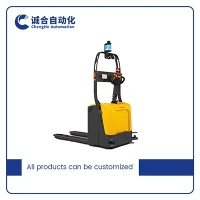
In the era of Industry 4.0, Automated Guided Vehicle (AGV) scheduling systems have emerged as a cornerstone of modern logistics and manufacturing operations. As a leading AGV scheduling system provider, I understand the importance of navigating the complex landscape of legal and regulatory requirements. This blog post aims to shed light on these requirements, ensuring that our clients can operate their AGV systems within the boundaries of the law.
Safety Standards and Regulations
Safety is paramount when it comes to AGV systems. These vehicles operate in dynamic environments, often alongside human workers, making strict safety regulations a necessity. In many countries, AGV systems must comply with international standards such as ISO 3691-4, which specifically addresses the safety requirements for driverless industrial trucks, including AGVs.
ISO 3691-4 sets out guidelines for various safety features, such as collision avoidance systems, emergency stop functions, and protective structures. AGV scheduling systems must be designed to ensure that these safety features are integrated and functioning correctly. For example, the scheduling system should be able to detect potential collisions and adjust the AGV's path accordingly. Additionally, it should have the ability to trigger an emergency stop in case of an imminent danger.
In the United States, the Occupational Safety and Health Administration (OSHA) also plays a crucial role in regulating AGV systems. OSHA standards require employers to provide a safe working environment for their employees, which includes ensuring that AGV systems are properly maintained and operated. This may involve regular inspections, training for operators, and the implementation of safety protocols.
Data Protection and Privacy
AGV scheduling systems rely heavily on data to function effectively. This data may include information about the AGV's location, movement patterns, and the tasks it is assigned to perform. As such, data protection and privacy regulations are of utmost importance.
In the European Union, the General Data Protection Regulation (GDPR) sets strict rules for the collection, storage, and processing of personal data. Even though AGV systems may not directly handle personal data in the traditional sense, they may still collect information that could be considered personal if it can be used to identify an individual. For example, if an AGV is used to transport goods to a specific employee's workstation, the data related to that delivery could potentially be linked to the employee.
To comply with GDPR, AGV scheduling system providers must ensure that they have appropriate data protection measures in place. This may include implementing encryption technologies to protect data during transmission and storage, obtaining consent from data subjects when necessary, and providing clear information about how the data will be used.
In addition to GDPR, other countries may have their own data protection laws. For example, California has the California Consumer Privacy Act (CCPA), which gives consumers more control over their personal information. As an AGV scheduling system provider, it is essential to stay informed about these regulations and ensure that our systems are compliant.
Intellectual Property Rights
Developing an AGV scheduling system requires a significant amount of research, development, and innovation. As such, intellectual property rights are a crucial consideration. AGV scheduling system providers must ensure that they have the necessary rights to use the technologies and algorithms incorporated into their systems.
This may involve obtaining patents for unique features or algorithms, as well as licensing third-party technologies when necessary. For example, if an AGV scheduling system uses a particular navigation algorithm that is protected by a patent, the provider must either obtain a license to use the algorithm or develop their own alternative.
In addition to patents, copyright protection is also important. The software code used in an AGV scheduling system is typically protected by copyright, and providers must ensure that they do not infringe on the rights of others. This may involve conducting thorough searches to ensure that the code is original or obtaining the necessary licenses if using open-source software.
Interoperability and Standards
AGV scheduling systems often need to integrate with other systems, such as Manufacturing Execution System and Warehouse Management System. To ensure seamless integration, it is important to comply with relevant industry standards and protocols.
For example, the OPC UA (Open Platform Communications Unified Architecture) is a widely adopted standard for industrial automation systems. It provides a common framework for data exchange between different systems, allowing AGV scheduling systems to communicate effectively with other components in the manufacturing or logistics environment.


By adhering to these standards, AGV scheduling system providers can ensure that their systems are compatible with a wide range of other systems, making it easier for clients to integrate them into their existing operations. This not only improves the efficiency of the overall system but also reduces the risk of compatibility issues and downtime.
Certification and Compliance
To demonstrate compliance with the various legal and regulatory requirements, AGV scheduling system providers may need to obtain certain certifications. These certifications can serve as proof that the system meets the necessary standards and can provide clients with confidence in the reliability and safety of the system.
For example, obtaining an ISO certification, such as ISO 9001 for quality management or ISO 14001 for environmental management, can demonstrate that the provider has a robust quality control system in place and is committed to environmental sustainability. Additionally, certifications from industry-specific organizations, such as the Material Handling Industry of America (MHIA), can also be valuable in demonstrating compliance with industry standards.
Conclusion
Navigating the legal and regulatory requirements for an AGV scheduling system is a complex but essential task. As a provider of AGV scheduling systems, we are committed to ensuring that our systems meet all the necessary legal and regulatory requirements. By staying informed about the latest standards and regulations, implementing appropriate safety and data protection measures, and obtaining relevant certifications, we can provide our clients with reliable and compliant AGV scheduling solutions.
If you are interested in learning more about our AGV scheduling systems and how they can meet your specific needs while complying with all legal and regulatory requirements, we invite you to contact us for a procurement discussion. Our team of experts is ready to assist you in finding the best solution for your business.
References
- ISO 3691-4:2020, Industrial trucks - Safety requirements and verification - Part 4: Driverless industrial trucks and their systems
- Occupational Safety and Health Administration (OSHA) standards
- General Data Protection Regulation (GDPR)
- California Consumer Privacy Act (CCPA)
- OPC UA specifications
- Material Handling Industry of America (MHIA) standards