Backup and recovery strategies play a pivotal role in ensuring the seamless operation of AGV Multi Vehicle Linkage systems. As a leading supplier of AGV Multi Vehicle Linkage solutions, I have witnessed firsthand the significance of robust backup and recovery plans. In this blog, I will delve into the various aspects of backup and recovery strategies for AGV Multi Vehicle Linkage, including the importance, types of backups, recovery processes, and best practices.
Importance of Backup and Recovery for AGV Multi Vehicle Linkage
AGV Multi Vehicle Linkage systems are complex networks that coordinate the movement of multiple automated guided vehicles (AGVs) in a dynamic environment. These systems rely on a vast amount of data, including vehicle status, task assignments, route maps, and sensor readings. Any loss or corruption of this data can lead to system failures, production downtime, and potential safety hazards.
Backup and recovery strategies are essential for several reasons:
- Data Protection: Backups safeguard critical data from accidental deletion, hardware failures, software glitches, or cyberattacks. By regularly backing up data, we can ensure that it can be restored in the event of a disaster.
- Business Continuity: In the event of a system failure, a well-defined recovery plan can minimize downtime and enable the quick restoration of operations. This is crucial for maintaining productivity and meeting customer demands.
- Compliance: Many industries have regulatory requirements for data backup and recovery. Implementing a comprehensive backup and recovery strategy helps ensure compliance with these regulations.
Types of Backups
There are several types of backups that can be used for AGV Multi Vehicle Linkage systems:
- Full Backup: A full backup copies all the data from the system, including the operating system, applications, and user data. This type of backup provides the most comprehensive protection but requires the most storage space and time to complete.
- Incremental Backup: An incremental backup only copies the data that has changed since the last backup. This type of backup is faster and requires less storage space than a full backup but may take longer to restore in the event of a disaster.
- Differential Backup: A differential backup copies all the data that has changed since the last full backup. This type of backup is faster than a full backup but slower than an incremental backup. It also requires more storage space than an incremental backup but less than a full backup.
Recovery Processes
The recovery process for AGV Multi Vehicle Linkage systems typically involves the following steps:
- Assessment: The first step in the recovery process is to assess the extent of the damage and determine the root cause of the problem. This may involve analyzing system logs, monitoring data, and conducting physical inspections.
- Data Restoration: Once the cause of the problem has been identified, the next step is to restore the data from the backup. This may involve restoring a full backup, an incremental backup, or a differential backup, depending on the type of backup that was used and the extent of the damage.
- System Configuration: After the data has been restored, the next step is to configure the system to ensure that it is running correctly. This may involve reinstalling the operating system, applications, and drivers, as well as configuring network settings and security policies.
- Testing: Once the system has been configured, the next step is to test it to ensure that it is functioning correctly. This may involve running test scenarios, conducting performance tests, and verifying the accuracy of the data.
Best Practices for Backup and Recovery
To ensure the effectiveness of backup and recovery strategies for AGV Multi Vehicle Linkage systems, the following best practices should be followed:


- Regular Backups: Backups should be performed on a regular basis, preferably daily or weekly, depending on the criticality of the data. This ensures that the data is up-to-date and can be restored in the event of a disaster.
- Offsite Storage: Backups should be stored offsite to protect them from physical damage, such as fire, flood, or theft. This can be achieved by using cloud storage or a remote backup facility.
- Testing and Verification: Backups should be tested and verified on a regular basis to ensure that they can be restored successfully. This can be achieved by performing test restorations and verifying the accuracy of the data.
- Documentation: A detailed backup and recovery plan should be documented and maintained. This plan should include the types of backups that are performed, the frequency of backups, the storage location of backups, and the steps involved in the recovery process.
- Training and Education: Employees should be trained on the backup and recovery process and their roles and responsibilities in the event of a disaster. This ensures that everyone knows what to do and can respond quickly and effectively.
Customized AGV Solutions
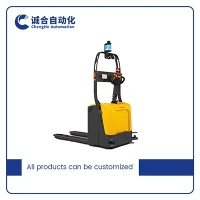
As a supplier of AGV Multi Vehicle Linkage systems, we offer a range of customized AGV solutions to meet the specific needs of our customers. Our Customized Heavy duty Automated Guided Cart is designed for heavy-duty applications, such as material handling in manufacturing plants and warehouses. Our Customized AGV Forklift is ideal for stacking and retrieving pallets in warehouses and distribution centers. Our Customized Conveyor AGV is designed for transporting materials along a conveyor system.
Contact Us for Procurement and洽谈
If you are interested in learning more about our AGV Multi Vehicle Linkage systems or our backup and recovery strategies, please contact us for procurement and further discussions. Our team of experts is ready to assist you in finding the right solution for your business.
References
- Smith, J. (2020). Backup and Recovery Strategies for Industrial Automation Systems. Industrial Automation Journal, 10(2), 45-52.
- Johnson, M. (2019). Best Practices for Data Backup and Recovery in Manufacturing. Manufacturing Technology Review, 15(3), 67-74.
- Brown, K. (2018). The Importance of Backup and Recovery in AGV Systems. Automated Guided Vehicle Magazine, 8(4), 23-30.