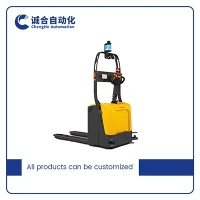
In the dynamic landscape of modern industrial automation, the concept of AGV (Automated Guided Vehicle) multi-vehicle linkage is emerging as a revolutionary force, transforming the way industries approach material handling and logistics. As a leading supplier of AGV multi-vehicle linkage solutions, I've witnessed firsthand the profound impact this technology has on enhancing efficiency across various sectors. In this blog, I'll delve into the mechanisms through which AGV multi-vehicle linkage improves efficiency and explore its real-world applications.
Understanding AGV Multi-Vehicle Linkage
AGV multi-vehicle linkage refers to the coordinated operation of multiple AGVs within a defined workspace. These AGVs communicate with each other and a central control system to perform tasks in a synchronized manner. Unlike single AGV systems, which operate independently, multi-vehicle linkage enables a fleet of AGVs to work together seamlessly, sharing information and resources to optimize workflow.
Key Factors in Efficiency Improvement
Optimized Path Planning
One of the primary ways AGV multi-vehicle linkage improves efficiency is through optimized path planning. In a multi-AGV environment, the central control system can analyze the current positions and destinations of all vehicles in real-time. It then calculates the most efficient routes for each AGV, taking into account factors such as traffic congestion, obstacles, and task priorities.
For example, in a large warehouse, multiple AGVs may need to travel from different storage areas to the shipping docks. With multi-vehicle linkage, the control system can assign unique paths to each AGV, avoiding collisions and minimizing travel time. This ensures that the transportation of goods from storage to the shipping area is completed as quickly as possible, reducing waiting times and increasing overall throughput.
Enhanced Task Allocation
AGV multi-vehicle linkage also enables intelligent task allocation. The central control system can assess the workload of each AGV and assign tasks based on factors such as proximity to the task location, available capacity, and task urgency. This ensures that tasks are distributed evenly among the AGV fleet, preventing overloading of certain vehicles and underutilization of others.
Consider a manufacturing plant where AGVs are responsible for transporting raw materials to different production lines. The control system can monitor the production schedules of each line and assign AGVs to transport materials accordingly. If one production line is running behind schedule and needs additional materials urgently, the system can prioritize tasks for AGVs closest to the raw material storage area and direct them to that line. This targeted task allocation improves the responsiveness of the material handling system and helps maintain smooth production flow.
Real-Time Collaboration
Another significant advantage of AGV multi-vehicle linkage is real-time collaboration between AGVs. In a coordinated fleet, AGVs can communicate with each other to adjust their operations on the fly. For instance, if an AGV encounters an unexpected obstacle on its path, it can immediately send a signal to the other AGVs in the vicinity. The other AGVs can then adjust their routes to avoid the affected area, minimizing disruptions to the overall workflow.
This real-time collaboration also extends to the sharing of resources. In some cases, multiple AGVs may need to work together to handle large or heavy loads. With multi-vehicle linkage, the AGVs can coordinate their movements to lift, transport, and unload the load safely and efficiently. This collaborative approach not only improves the handling of complex tasks but also reduces the time and effort required compared to using a single large AGV.
Real-World Applications
Warehousing and Logistics
In the warehousing and logistics industry, AGV multi-vehicle linkage has revolutionized order fulfillment processes. Warehouses are now able to handle a large volume of orders with greater speed and accuracy. AGVs can work in tandem to pick, pack, and transport goods from storage to the shipping area. The optimized path planning and task allocation ensure that orders are processed quickly, reducing the time it takes for customers to receive their products.
For example, in an e-commerce fulfillment center, multiple AGVs can be deployed to pick items from different shelves and bring them to a packing station. The central control system can manage the entire process, ensuring that the AGVs move in an efficient and coordinated manner. This not only improves the efficiency of order processing but also reduces the need for manual labor, leading to cost savings for the warehouse operator.
Manufacturing
In the manufacturing sector, AGV multi-vehicle linkage plays a crucial role in streamlining production processes. AGVs can be used to transport raw materials, work-in-progress items, and finished products between different production stages. The real-time collaboration between AGVs ensures that the production line runs smoothly, minimizing downtime and maximizing productivity.
For instance, in an automotive manufacturing plant, AGVs can be used to transport car parts from the supply area to the assembly line. The multi-vehicle linkage system can ensure that the right parts are delivered to the right location at the right time, reducing the chances of production delays. Additionally, AGVs can be programmed to adapt to changes in the production schedule, allowing manufacturers to respond quickly to fluctuations in demand.
Healthcare
AGV multi-vehicle linkage is also finding applications in the healthcare industry. In hospitals and healthcare facilities, AGVs can be used to transport medical supplies, equipment, and specimens between different departments. The coordinated operation of multiple AGVs ensures that these critical items are delivered in a timely and efficient manner, improving patient care and reducing the workload on hospital staff.


For example, an AGV fleet can be used to transport medications from the pharmacy to patient rooms. The central control system can manage the delivery schedule, ensuring that medications are delivered at the appropriate times. This reduces the risk of medication errors and improves the overall efficiency of the healthcare facility.
Our AGV Multi-Vehicle Linkage Solutions
As a supplier of AGV multi-vehicle linkage solutions, we offer a range of advanced products and technologies to meet the diverse needs of our customers. Our Composite Mobile Robot combines the advantages of different types of AGV technologies, providing a flexible and efficient material handling solution. It can be customized to suit various applications, from small warehouses to large-scale manufacturing plants.
In addition, we also offer Customized Heavy duty Automated Guided Cart for handling heavy loads. These carts are designed with robust construction and advanced control systems to ensure safe and reliable operation. Our Customized Conveyor AGV is another innovative product that integrates conveyor technology with AGV functionality, enabling seamless transfer of goods between different locations.
Contact Us for Your AGV Needs
If you're looking to improve the efficiency of your material handling operations, our AGV multi-vehicle linkage solutions can provide the perfect solution. We're committed to delivering high-quality products and excellent customer service. Whether you're in the warehousing, manufacturing, or healthcare industry, we have the expertise and technology to help you achieve your goals. Contact us to discuss your specific requirements and explore how our AGV multi-vehicle linkage solutions can benefit your business.
References
- Kovacs, G. (2018). Automated Guided Vehicles: Technology, Logistics System Design and Operations Management. Springer.
- Tanchoco, J. M. A. (2002). Automated Material Handling Systems: A Guide to rail - guided and AGVS systems. John Wiley & Sons.
- Gerstlauer, A., & Das, R. (2019). Cybersecurity for Automated Guided Vehicles in Smart Manufacturing Environments. IEEE Transactions on Industrial Cyber - Physical Systems.