Hey there! I'm a supplier of Smart Logistics Systems, and today I wanna chat about how these systems ensure compliance with industry standards. It's a topic that's super important in our line of work, so let's dive right in.
First off, what exactly are industry standards in the logistics game? Well, they cover a whole bunch of things, like safety regulations, environmental requirements, and data security protocols. These standards are put in place to make sure that logistics operations are efficient, safe, and sustainable. And a smart logistics system plays a crucial role in meeting these standards.
One of the key ways a smart logistics system ensures compliance is through real - time monitoring. With advanced sensors and IoT (Internet of Things) technology, we can keep a close eye on every aspect of the logistics process. For example, in a warehouse, sensors can track the temperature and humidity levels. This is especially important if you're storing sensitive goods like pharmaceuticals or food products. By constantly monitoring these conditions, the Warehouse Management System can alert us if the levels go out of the acceptable range. This way, we can take immediate action to prevent any damage to the goods and stay compliant with the industry's strict storage requirements.
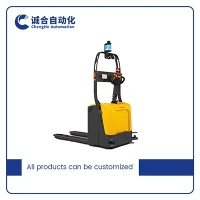
Another aspect is safety. In a busy logistics environment, there are lots of moving parts, literally. Forklifts, automated guided vehicles (AGVs), and human workers are all sharing the same space. A smart logistics system, specifically the AGV Control System, uses a combination of sensors and software to ensure that all these elements operate safely. The system can detect the presence of other vehicles and workers in the vicinity of an AGV. If there's a risk of collision, it can automatically slow down or stop the AGV. This not only protects the workers and the equipment but also helps us meet the safety standards set by the industry.
Data security is also a huge deal. In today's digital age, logistics companies handle a massive amount of data, including customer information, inventory details, and shipping schedules. A smart logistics system is designed to protect this data from unauthorized access and cyber - attacks. It uses encryption techniques to scramble the data during transmission and storage. Additionally, the system has strict access controls, so only authorized personnel can view and modify the data. By doing so, we're adhering to the data protection regulations that are part of the industry standards.
Now, let's talk about regulatory compliance. Different regions and industries have their own set of rules and regulations. For example, when shipping goods across international borders, there are customs regulations that need to be followed. A smart logistics system can help with this by providing accurate documentation and ensuring that all the necessary information is filled out correctly. The IO Integrated System can integrate with various databases and regulatory bodies to stay updated on the latest requirements. This way, we can avoid any delays or fines due to non - compliance.
Moreover, a smart logistics system promotes sustainability. The industry is increasingly focusing on reducing its carbon footprint. Our system can optimize routes for trucks and other vehicles, reducing fuel consumption and emissions. It can also manage inventory levels more efficiently, which means less waste and a more sustainable supply chain. By doing these things, we're meeting the environmental standards that are becoming more and more important in the logistics industry.


In addition to all these technical aspects, a smart logistics system also provides detailed reporting and auditing capabilities. It can generate reports on various compliance - related metrics, such as safety incidents, data breaches, and environmental impact. These reports are not only useful for internal management but also for external audits. When regulatory authorities come in for an inspection, we can easily provide them with the necessary documentation to prove that we're operating in compliance with the industry standards.
But it's not just about the technology itself. Our team of experts is always on top of the latest industry trends and regulatory changes. We continuously update our smart logistics systems to ensure that they remain compliant. We also provide training to our clients' staff so that they know how to use the system effectively and in line with the standards.
In conclusion, a smart logistics system is an essential tool for ensuring compliance with industry standards. It combines real - time monitoring, safety features, data security, regulatory support, and sustainability measures to create a comprehensive solution. If you're in the logistics business and are looking for a way to improve your compliance and overall efficiency, then a smart logistics system is the way to go.
If you're interested in learning more about how our smart logistics systems can benefit your business and help you stay compliant, don't hesitate to reach out. We're more than happy to have a chat and see how we can work together to take your logistics operations to the next level.
References
- Industry Standards in Logistics: A Comprehensive Guide. Logistics Research Institute.
- Smart Logistics and Regulatory Compliance. Journal of Supply Chain Management.
- The Role of IoT in Ensuring Safety in Logistics. International Journal of Logistics Technology.