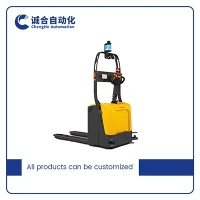
As a supplier of Ultra Long Backpack AGVs, one question that frequently arises from our clients is whether these remarkable machines can operate effectively in high - temperature environments. In this blog, we'll explore the science behind this query, examining the factors at play and offering insights based on real - world experiences and technical knowledge.
Understanding Ultra Long Backpack AGVs
Before delving into the high - temperature question, let's first understand what Ultra Long Backpack AGVs are. These are advanced Automated Guided Vehicles designed with a unique long - length structure, which enables them to carry and transport heavy loads over long distances within industrial settings. Our Ultra - long Automated Guided Cart models are engineered to be highly flexible and efficient, capable of navigating complex layouts and integrating seamlessly with various production processes.
Key Components and Their Sensitivity to Temperature
To determine if Ultra Long Backpack AGVs can work in high - temperature environments, we need to analyze the key components of these vehicles and their temperature sensitivities.
Batteries
The battery is the heart of an AGV, providing the necessary power for its operation. Most AGVs, including our Ultra Long Backpack models, use lithium - ion batteries. Lithium - ion batteries generally have an optimal operating temperature range of around 20°C - 40°C. At higher temperatures, several issues can occur. The rate of chemical reactions within the battery increases, which can lead to faster degradation of the battery's electrodes. This results in reduced battery life and capacity over time. In extreme cases, high temperatures can also pose a safety risk, such as thermal runaway, where the battery overheats uncontrollably.
Electronics
The electronic components in our Ultra Long Backpack AGVs, such as controllers, sensors, and communication modules, are also sensitive to temperature. High temperatures can cause the electrical resistance of electronic circuits to increase, leading to power losses and potential malfunctions. For example, sensors may become less accurate, and the controller may experience errors in processing data. Additionally, the soldering joints in the electronic boards can weaken at high temperatures, increasing the risk of component failure.
Motors and Drivetrains
The motors and drivetrains are responsible for the movement of the AGV. High temperatures can cause the lubricants in the drivetrain to break down more quickly, reducing their effectiveness in reducing friction. This can lead to increased wear and tear on the mechanical components, such as gears and bearings. Moreover, the motors may overheat, which can reduce their efficiency and potentially cause permanent damage if the temperature exceeds their rated limits.
Mitigating the Effects of High Temperatures
Although the components of Ultra Long Backpack AGVs are sensitive to high temperatures, there are several strategies we can employ to mitigate these effects and enable the AGVs to operate in such environments.
Cooling Systems
We can install cooling systems in our AGVs to maintain the temperature of critical components within acceptable ranges. For example, we can use air - cooling or liquid - cooling systems for the batteries and electronics. Air - cooling systems use fans to blow cool air over the components, while liquid - cooling systems circulate a coolant through a heat exchanger to dissipate heat. These cooling systems can significantly reduce the temperature of the components and extend their lifespan.
Thermal Insulation
Thermal insulation can be used to protect the internal components of the AGV from the external high - temperature environment. By using insulating materials, we can reduce the heat transfer from the outside to the inside of the AGV. This helps to keep the internal temperature more stable and reduces the stress on the components.
Component Selection
We can select components that are specifically designed to operate at higher temperatures. For example, there are high - temperature - rated batteries, electronic components, and lubricants available in the market. By using these specialized components, we can increase the overall temperature tolerance of the AGV.
Real - World Experiences
In our experience as a supplier, we have had clients who have successfully operated our Ultra Long Backpack AGVs in high - temperature environments. One of our clients in a foundry, where the ambient temperature can reach up to 50°C, installed our Heavy Duty Automatic Transfer Cart models. By implementing a combination of cooling systems, thermal insulation, and high - temperature - rated components, the AGVs were able to operate reliably for extended periods.
Another client in a glass manufacturing plant, which also has a high - temperature environment, used our Heavy load Automated Guided Vehicle. They reported that with proper temperature management, the AGVs could handle the heavy loads and perform their tasks efficiently without significant issues related to high temperatures.
Considerations for High - Temperature Operation
When considering operating Ultra Long Backpack AGVs in high - temperature environments, several factors need to be taken into account.
Temperature Monitoring
Continuous temperature monitoring of the key components is essential. By installing temperature sensors on the batteries, electronics, and motors, we can keep track of their temperatures in real - time. This allows us to detect any abnormal temperature increases early and take appropriate measures, such as adjusting the cooling system or reducing the load on the AGV.


Maintenance Schedule
In high - temperature environments, the maintenance schedule of the AGV needs to be more frequent. Components such as batteries, lubricants, and filters need to be inspected and replaced more often to ensure their proper functioning. Regular maintenance can help to prevent potential failures and extend the lifespan of the AGV.
Environmental Adaptation
The overall environment where the AGV operates also needs to be considered. For example, if there are sources of radiant heat, such as furnaces or ovens, the AGV's path should be designed to minimize its exposure to these heat sources. Additionally, the ventilation in the area can be improved to reduce the ambient temperature around the AGV.
Conclusion
In conclusion, while Ultra Long Backpack AGVs face certain challenges when operating in high - temperature environments, it is indeed possible for them to work effectively with the right strategies in place. By understanding the temperature sensitivities of the key components, implementing appropriate cooling and insulation measures, and selecting high - temperature - rated components, we can enable these AGVs to perform their tasks reliably.
If you are considering using Ultra Long Backpack AGVs in a high - temperature environment or have any other questions about our products, we encourage you to contact us for a consultation. Our team of experts is ready to provide you with detailed information and customized solutions to meet your specific needs. Let's work together to find the best AGV solution for your industrial operations.
References
- "Battery Management Systems for Electric Vehicles" by P. P. Sutton
- "Thermal Management of Electronic Systems" by Avram Bar - Cohen
- "Industrial Automation Handbook" by Thomas A. Trappey