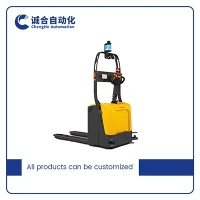
Can a Backpack Lifting AGV be used in a chemical plant?
As a supplier of Backpack Lifting Automated Guided Vehicles (AGVs), I often encounter questions from customers about the applicability of our products in various industrial settings. One such frequently asked question is whether a Backpack Lifting AGV can be used in a chemical plant. In this blog post, I will explore this topic in detail, highlighting the potential benefits, challenges, and considerations when using our AGVs in a chemical plant environment.
Advantages of Using Backpack Lifting AGVs in Chemical Plants
Efficiency and Productivity
Chemical plants typically involve a large volume of material handling operations, such as transporting raw materials, intermediate products, and finished goods between different production areas, storage facilities, and loading docks. Backpack Lifting AGVs can automate these material handling tasks, reducing the need for manual labor and increasing operational efficiency. These AGVs can operate continuously without breaks, following pre - programmed routes, and can be scheduled to perform tasks at the most optimal times. For example, they can transport heavy chemical drums from the storage area to the production line during off - peak hours, ensuring that the production process is not interrupted.
Safety
Safety is of paramount importance in chemical plants due to the presence of hazardous chemicals. Manual handling of these chemicals can expose workers to risks such as chemical spills, inhalation of toxic fumes, and physical injuries. Backpack Lifting AGVs can be equipped with advanced safety features, such as collision avoidance sensors, emergency stop buttons, and flame - retardant materials. They can also be operated in areas where it may be dangerous for human workers, such as in the vicinity of highly reactive chemicals or in areas with poor ventilation. This reduces the risk of accidents and ensures a safer working environment.
Flexibility
The Customized Automated Guided Cart option allows chemical plants to adapt the AGV to their specific needs. Chemical plants have diverse material handling requirements, depending on the type of chemicals produced, the layout of the plant, and the production process. Backpack Lifting AGVs can be customized in terms of size, lifting capacity, speed, and navigation system. For instance, a chemical plant producing large - scale liquid chemicals may require an ultra - long AGV to transport large storage tanks. In this case, our Ultra - long Automated Guided Cart can be a suitable solution.
Accuracy and Precision
In chemical production, the accurate delivery of the right amount of chemicals at the right time is crucial for maintaining product quality. Backpack Lifting AGVs can be programmed to deliver materials with high precision. They use advanced navigation technologies, such as laser guidance or vision - based systems, to ensure that they follow the exact route and stop at the designated locations. This accuracy helps in reducing waste and improving the overall quality of the chemical products.
Challenges and Considerations
Harsh Environment
Chemical plants are characterized by a harsh environment, which includes exposure to corrosive chemicals, high temperatures, and potentially explosive atmospheres. Our Backpack Lifting AGVs need to be built to withstand these conditions. The materials used in the construction of the AGV should be resistant to corrosion. For example, the frame can be made of stainless steel or coated with a protective layer. In addition, the electrical components of the AGV need to be explosion - proof to comply with the safety standards in chemical plants.
Compatibility with Chemical Containers
The AGV must be able to handle different types of chemical containers safely and securely. Chemicals can be stored in various containers, such as drums, totes, and tanks, with different shapes, sizes, and weights. Our Backpack Lifting AGVs can be equipped with adjustable lifting mechanisms and grippers to accommodate these different container types. However, careful consideration must be given to the design to ensure that the AGV can lift and transport the containers without causing any spills or damage.
Compliance with Regulations
Chemical plants are subject to strict regulations regarding safety, environmental protection, and chemical handling. When using AGVs in a chemical plant, these regulations must be complied with. This includes ensuring that the AGV meets the relevant safety standards, such as those set by the Occupational Safety and Health Administration (OSHA) and the National Fire Protection Association (NFPA). Certification of the AGV for use in explosive atmospheres, such as ATEX certification in Europe, may also be required.
Integration with Existing Systems
Chemical plants usually have existing material handling systems, such as conveyor belts and forklifts. The new Backpack Lifting AGVs need to be integrated into these existing systems to ensure a seamless operation. This requires careful planning and coordination to ensure that the AGVs can communicate with other equipment and that the overall material flow in the plant is optimized.


Case Studies
Let's look at a few real - world examples of how Backpack Lifting AGVs have been successfully used in chemical plants. In a large chemical manufacturing facility, Heavy Duty Automatic Transfer Cart was introduced to transport heavy chemical storage tanks between the production area and the warehouse. Before the implementation of the AGV, this task was carried out manually using forklifts, which was not only time - consuming but also posed a risk of chemical spills. After the installation of the AGV, the material handling process became more efficient, with a significant reduction in the handling time and a zero - spill record. The AGV was able to operate 24/7, ensuring a continuous supply of chemicals to the production line.
In another case, a chemical research and development laboratory used customized Backpack Lifting AGVs to transport small - scale chemical samples between different workstations. The AGVs were equipped with precision navigation systems and gentle lifting mechanisms to ensure that the samples were not damaged during transportation. This improved the accuracy of the research process and reduced the risk of human error.
Conclusion
In conclusion, a Backpack Lifting AGV can be a valuable asset in a chemical plant. The benefits of increased efficiency, safety, flexibility, and precision outweigh the challenges associated with the harsh environment, container compatibility, regulatory compliance, and system integration. As a supplier, we are committed to providing high - quality, customized AGV solutions that meet the specific needs of chemical plants.
If you are interested in exploring how our Backpack Lifting AGVs can be integrated into your chemical plant operations, we invite you to contact us for a detailed discussion. Our team of experts will be happy to assist you in evaluating your requirements and providing a customized solution.
References
- OSHA Chemical Safety Standards
- NFPA Guidelines for Industrial Material Handling
- Industry reports on the use of AGVs in chemical plants